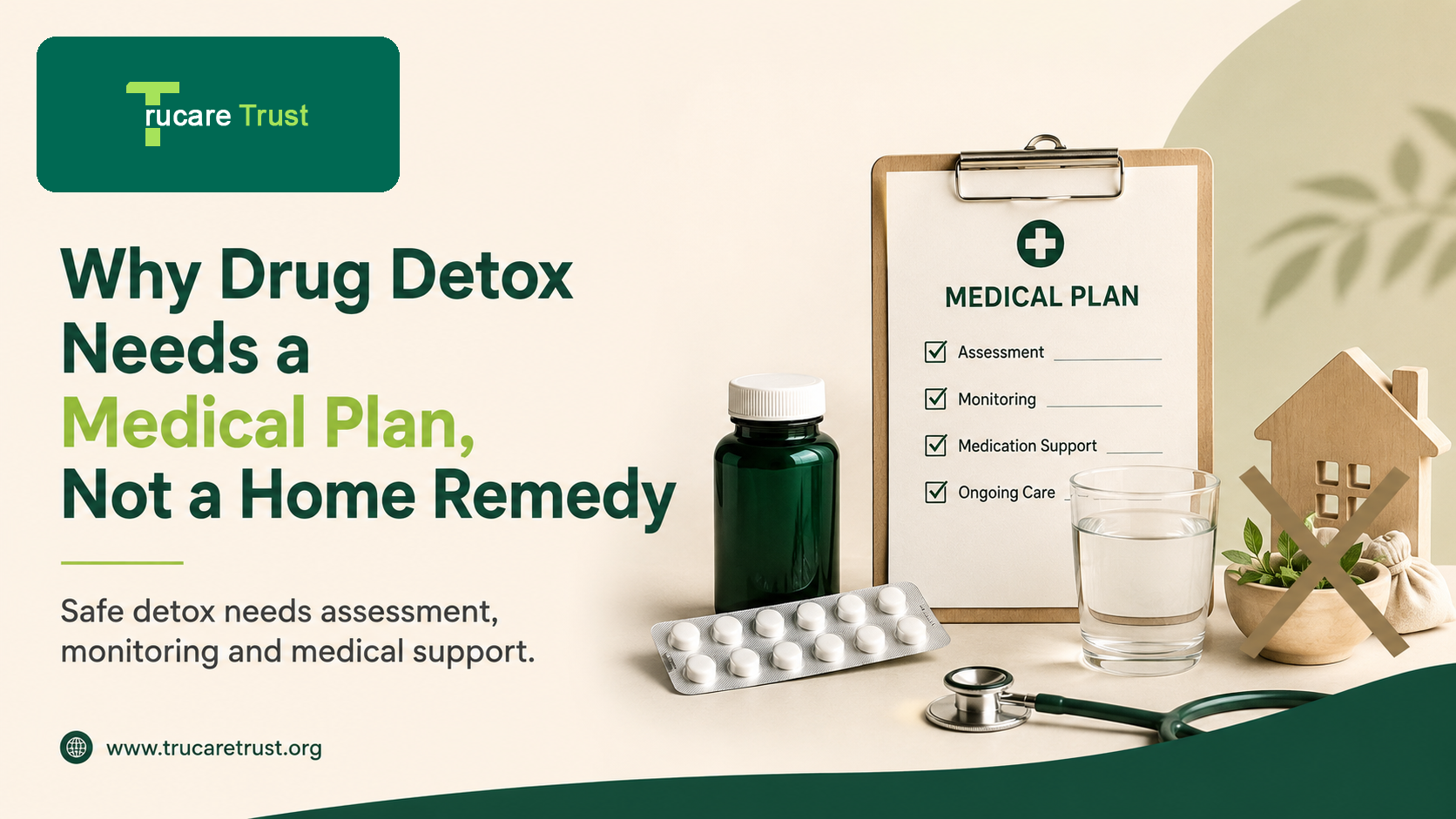
How to safely detox from drugs cannot be answered with a home remedy, a fixed three-day plan or advice copied from another patient. Withdrawal risk changes with the substance, dose, duration, last use, physical health, pregnancy, prescribed medicines and use of alcohol or other drugs. A nasha mukti kendra in Mumbai should assess these factors before deciding whether care can begin in a residential setting or needs hospital support. Safe drug detox protects the person during withdrawal and connects medical stabilisation with continuing addiction treatment.
Detoxification is a clinical process, not a cleansing treatment
Drug detox is the period in which intoxication and withdrawal are assessed while the body adjusts to reduced or stopped substance use. The detoxification process may include observation, fluids, nutrition, symptom relief, prescribed medicines and transfer to higher medical care. The combination differs between patients.
Detoxification does not “flush out” addiction. Drinking large quantities of water, sweating, fasting, taking herbal products or forcing sleep cannot reliably prevent seizures, breathing problems, delirium, dehydration or psychiatric deterioration. Some unregulated herbal products or home remedies can cause additional harm through medicine interactions, liver injury, excessive fluid intake or delayed emergency care.
A medical detox programme should have a defined purpose. It identifies immediate danger, reduces avoidable suffering and helps the patient become stable enough for the next treatment stage. It is not a punishment or a test of willpower.
The substance changes the withdrawal risk
Families often use “drug withdrawal” as one broad term. Clinically, the picture can be very different depending on what was used. Even the same named drug may have a different effect when its strength is unknown, it was mixed with another substance or the person has taken it by a different route.
| Substance pattern | Possible early concerns | Why assessment matters |
|---|---|---|
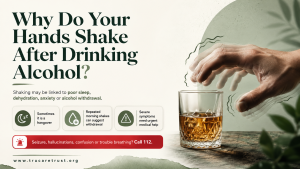
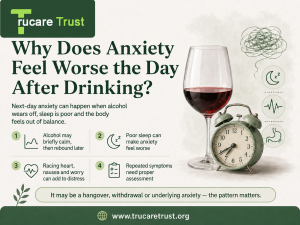
| Alcohol | Tremors, sweating, nausea, anxiety, disturbed sleep, raised pulse, seizures, hallucinations or delirium | Severe complications may emerge or worsen after drinking stops and can require hospital-level monitoring |
| Dependence-forming sleeping or anti-anxiety medicines, including benzodiazepines and certain sedatives | Anxiety, insomnia, agitation, confusion, perceptual changes or seizures | Abrupt discontinuation can be dangerous; assessment and any dose reduction should be clinician-led |
| Opioids such as heroin, opium or opioid pain medicines | Pain, sweating, vomiting, diarrhoea, anxiety, poor sleep and strong cravings | Dehydration, pregnancy, illness and mixed use can increase risk; reduced tolerance can make renewed use fatal |
| Stimulants such as cocaine or methamphetamine | Exhaustion, altered sleep, increased appetite, agitation, cravings, depression or suspiciousness | Severe low mood, psychosis, chest symptoms or self-harm risk may require urgent psychiatric or medical care |
| Cannabis | Irritability, anxiety, sleep disturbance, appetite change, low mood or cravings | Withdrawal is usually different from alcohol or sedative withdrawal, but severe anxiety, psychosis, suicidal thoughts or other substance use may change the required setting |
| Unknown or multiple substances | Overlapping sedation, agitation, vomiting, confusion, breathing changes or delayed withdrawal | One substance can hide another withdrawal syndrome, and the contents or timing may be uncertain |
This table is not a timetable or a tool for deciding that home detox is safe. Drug withdrawal symptoms may begin earlier or later than expected and can change after admission. A person who seems calm at breakfast may become confused, severely anxious or physically unwell later.
A complete history must come before the plan
Safe drug detox begins with a careful account of recent and past substance use. The team needs to know the substance, approximate amount, frequency, route, time of last use and any recent reduction. Street names are not enough because the contents may be uncertain. Photographs of packaging, prescriptions or available medical records can help without proving what an unknown powder contained.
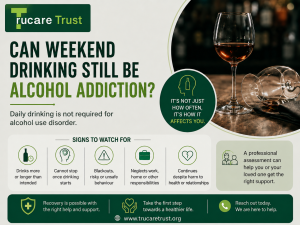
The assessment should include alcohol, sleeping tablets, anti-anxiety medicines, pain medicines, cannabis, stimulants, inhalants, nicotine and any injections or unlabelled products. Families may know about the main drug but not medicines used for sleep or substances taken to manage the after-effects. When more than one problem is present, integrated treatment for multiple addictions needs one joined-up history rather than separate assumptions.
Previous withdrawal is important. A past seizure, delirium, hallucination, overdose, intensive-care admission or difficult taper may change the required level of monitoring. Physical conditions such as liver or kidney disease, infection, diabetes, heart problems, head injury, chronic pain and poor nutrition also influence the plan.
Pregnancy requires prompt clinical assessment because intoxication, withdrawal, dehydration and medication decisions can affect both the pregnant patient and the pregnancy. The appropriate setting should be decided by qualified medical professionals. The same caution applies to older patients, adolescents and people who are medically frail.
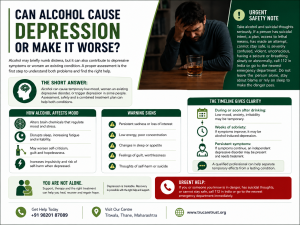
Mental state is part of the safety assessment, not an optional extra. Depression, anxiety, psychosis, severe agitation, confusion, suicidal thoughts and recent violence can change the immediate plan. Staff should also ask about allergies and previous reactions to treatment.
Why an unsupervised home plan can fail
Home drug detox risks are not limited to uncomfortable symptoms. The first problem is uncertainty. Families may not know exactly what was taken, when it was last used or whether alcohol and sedatives are also involved. A tablet sold under one name may contain something else. A person may minimise use through fear, shame, poor memory or intoxication.
The second problem is delayed change. Withdrawal may not be most severe when the person first stops. A quiet first night does not guarantee a safe second or third day. Relatives who are watching for one expected symptom can miss rising confusion, abnormal breathing, dehydration, hallucinations or a dangerous change in behaviour.
The third problem is unplanned medication. Borrowing sleeping tablets, pain medicines or anti-anxiety medicines can create interactions, worsen sedation or begin another dependence. Alcohol should never be used as a withdrawal medicine. A schedule found online cannot account for the strength of the product, the patient’s other medicines or a change in physical condition.
The fourth problem is rapid return to use. Intense cravings and easy access can interrupt detox. A period without opioids can lower tolerance. Returning to an earlier amount, particularly with alcohol or sedatives, may suppress breathing and cause a fatal overdose. Detoxification without a continuing treatment plan can therefore leave a person vulnerable soon after the immediate symptoms settle.
What clinical withdrawal care should involve
Medically supervised drug detox starts with triage: deciding what needs attention now and whether the available setting can provide it. This may include checking alertness, breathing, pulse, blood pressure, temperature, hydration, injuries and signs of intoxication or withdrawal. Tests are chosen according to the history and examination rather than offered as one identical package.
Observation should have a reason and a documented frequency. Staff need to record symptoms, vital signs, fluids, sleep, medicines given and the response. A patient who is becoming less responsive should not be described as simply sleeping. Deep sedation is not evidence that detox is working.
Food and fluids can support recovery, but they are not substitutes for medical care. Vomiting and diarrhoea may cause dehydration. Poor nutrition may need attention, especially after prolonged alcohol or drug use. Treatment must also consider whether swallowing is safe and whether persistent vomiting, abdominal pain or reduced consciousness needs hospital assessment.
Medicines may be used when clinically indicated, but no single drug detox protocol suits every patient. Each prescription should have a clear purpose, appropriate monitoring and a plan for review. The patient should be told what is being given and why whenever they can understand and participate.
The current ASAM benzodiazepine guidance advises that medicines in this group should not be stopped abruptly when physical dependence is likely. Any taper must be individualised and supervised. A family should never copy another patient’s reduction plan or change a prescribed dose without the responsible clinician.
Residential care and hospital care are not interchangeable
A rehabilitation centre may be able to manage medically stable patients with lower withdrawal risk when it has suitable clinical staff, monitoring, emergency equipment and hospital-transfer arrangements. Other patients may need an emergency department, medical ward, intensive monitoring or specialist psychiatric care. The word “rehab” does not itself establish medical capability.
A safe centre should explain who performs the medical assessment, which qualified professional is available after normal hours and how changes are documented. It should identify the conditions it cannot manage and the process for transferring a patient. A promise that nobody ever needs hospital care is a warning sign, not proof of comprehensive treatment.
The article on the first 72 hours of rehabilitation explains why assessment, monitoring and orientation overlap during early admission. The first three days can be important, but they are not a universal end point. Some withdrawal problems continue beyond that period, while some patients never require a prolonged detox phase.
Alcohol and sedative withdrawal need particular caution
Alcohol is sometimes left out of a “drug” history because it is legally available. That omission can be dangerous. Regular heavy drinking followed by sudden reduction may lead to tremors, sweating, vomiting, raised pulse, seizures, hallucinations or delirium. Previous severe withdrawal, mixed-substance use and serious illness may increase risk.
Withdrawal from some sleeping or anti-anxiety medicines can also be severe when regular use is stopped abruptly. Assessment and dose reduction should be clinician-led and may continue well beyond the initial detox period. The medical plan should account for why the medicine was started, how long it was taken, current symptoms and other substances.
Neither situation should be handled by hiding medicines, reducing tablets at random or waiting for a seizure before seeking help. Drug withdrawal treatment is safer when potential complications are identified before they become emergencies.
Opioid detox must connect with continuing treatment
Opioid withdrawal is often intensely distressing. It may involve body aches, sweating, vomiting, diarrhoea, abdominal cramps, anxiety, poor sleep and strong cravings. Pregnancy, serious physical illness, dehydration and mixed-substance use can increase the medical risk.
The larger danger may appear when a person returns to use. Lower tolerance means a previously used amount can cause overdose. Unknown strength and mixing opioids with alcohol or sedatives add further danger. Treatment after detox must address this risk clearly.
Evidence-based care for opioid use disorder may include ongoing medication, counselling and practical support. The CDC guidance on opioid use disorder treatment states that detoxification without medication treatment is not recommended because renewed use, overdose and overdose-death risks remain. A decision not to participate in counselling should not automatically prevent or delay clinically appropriate medication.
Where naloxone is available for a suspected opioid overdose, it should be used according to the product instructions while emergency help is called. Naloxone is not a substitute for emergency assessment or continuing opioid-use-disorder treatment.
Stimulant withdrawal may require urgent mental-health care
Stopping cocaine, methamphetamine or other stimulants does not usually produce the same withdrawal pattern as alcohol or sedatives. The person may sleep for long periods, feel exhausted, become irritable, experience strong cravings or develop a profound low mood. Others may remain agitated, suspicious or unable to sleep.
A mental-health review is important when there is severe depression, suicidal thinking, psychosis, aggression or confusion. Chest pain, collapse, seizures, a very high temperature or severe agitation also require urgent medical assessment. Describing stimulant withdrawal as “only psychological” can cause serious warning signs to be missed.
After stabilisation, care often relies on behavioural treatment, routine repair, sleep management and relapse prevention. The detoxification process cannot resolve the situations and patterns that maintained stimulant use.
The family can help without becoming the medical team
Relatives often have information the patient cannot provide clearly at admission. A written timeline of recent use, last known dose, alcohol intake, prescribed medicines, allergies, seizures, overdoses, falls and unusual behaviour can be valuable. Medicine strips and discharge records should be brought when available. Unknown powders or drug equipment should not be transported casually.
Families should not instruct the person either to stop suddenly or to take a final dose before admission. Contact the centre or responsible clinician, explain what was used and when, and follow the immediate clinical instructions provided. Abrupt withdrawal may begin during travel or while waiting for admission, while additional use may cause intoxication or overdose. The centre should be told immediately if the person is drowsy, vomiting, confused, highly agitated or threatening harm.
Family members should not restrain, shame or argue with a severely intoxicated or confused person. They should move to safety when there is violence or a credible threat. Payment for care does not automatically entitle relatives to confidential clinical information. The patient’s privacy and consent still matter, subject to applicable safety and legal duties.
Warning signs need emergency action
Call 112 in India or go to the nearest emergency department for suspected overdose, inability to wake, slow, difficult or abnormal breathing, blue or grey lips, a seizure or fit, severe confusion, hallucinations, chest pain, collapse, a serious injury, immediate self-harm risk or a credible threat of violence.
Call 112 and follow emergency instructions. Do not attempt private transport when unconsciousness, severe agitation, violence or medical instability could endanger the patient, driver or family members. If emergency transport is delayed, the dispatcher can advise on immediate safety steps.
A residential facility should not delay an indicated hospital transfer for reputational, administrative or financial reasons. Stabilising an emergency in hospital does not mean rehabilitation has failed. It means the level of care has been matched to the patient’s immediate need.
Detox is only the opening part of addiction treatment
The person may feel physically better after several days and conclude that the problem has ended. Yet the conditions linked with substance use may still be present: cravings, easy access, sleep problems, pain, depression, trauma, conflict, debt, isolation or a social group organised around drug use.
Treatment after detox may include medical follow-up, therapy, family work, care for co-occurring mental-health conditions and practical relapse planning. Not every patient needs every component or residential rehabilitation. The plan should reflect safety, informed preferences and available support.
The joint WHO–UNODC treatment standards describe treatment as a coordinated, evidence-based and ethical system rather than an isolated procedure. Detoxification should respect dignity, privacy and informed consent. Coercive, humiliating, punitive or degrading practices are not legitimate addiction treatment.
How to safely detox from drugs is only the first question. The next is how medical stabilisation will connect with care that reduces renewed use, overdose and disruption to daily life.
Questions to ask before choosing a detox setting
Families do not need clinical training to ask practical questions. Clear answers can reveal whether a facility understands its limits.
- Who performs the medical assessment before or at admission?
- How are alcohol, sedatives, opioids and other substances screened?
- Which qualified professional is available at night?
- How often are symptoms and vital signs reviewed?
- How are prescribed medicines verified, stored and recorded?
- Which conditions require hospital care rather than residential management?
- What is the emergency-transfer process, and which hospital receives patients?
- How are consent, privacy and family updates handled?
- What treatment follows medical stabilisation?
Vague statements such as “all detox is natural”, “everyone finishes in three days” or “no patient is ever transferred” should invite further scrutiny. A responsible answer may include uncertainty because staff need a proper examination before predicting the course.
Frequently asked questions
Can withdrawal be managed safely at home?
Some medically stable people may receive outpatient withdrawal care after professional assessment, but “at home” does not mean without a plan or monitoring. Alcohol, sedative or mixed-substance withdrawal can become dangerous. Unknown drug contents, pregnancy, serious illness, previous seizures, overdose history or severe mental-health symptoms may require a higher level of care.
Does every person who stops drugs need detoxification?
No. The need depends on intoxication, physical dependence, withdrawal risk and other health concerns. Some people are medically stable but still need addiction treatment. Behavioural addictions such as gambling do not require drug detox, although co-occurring substance use must still be assessed.
How long can withdrawal management take?
There is no safe universal duration for a medical detox programme. Timing depends on the substance, last use, pattern and length of use, physical health, other substances and treatment response. Symptoms from some substances may continue or emerge beyond 72 hours. A fixed package should not replace clinical review.
Are natural remedies safer than prescribed medicines?
Not necessarily. “Natural” does not prove that a product is effective, pure or free from interactions. Herbal products, excessive fluids, fasting and borrowed medicines can create harm or delay urgent treatment. Medicines used during detox should be selected and monitored by qualified clinicians.
What problems can arise during unsupervised withdrawal?
Home drug detox risks include an incomplete substance history, delayed withdrawal, seizures, severe confusion, dehydration, unsafe self-medication, rapid return to use and overdose after tolerance falls. Drug withdrawal symptoms and risk cannot be judged from one sign or an online checklist.
Is supervised withdrawal care the same as rehabilitation?
No. Medically supervised drug detox manages intoxication and withdrawal. Rehabilitation addresses the behavioural, emotional, social and practical factors linked with continued use and relapse. Medical stabilisation can make rehabilitation safer, but it does not complete the recovery work.
Can someone relapse immediately after detox?
Yes. Cravings, access to drugs and unresolved triggers may remain. Opioid tolerance can fall during abstinence, increasing overdose risk if the person returns to a previously used amount. Discharge planning and continuing evidence-based treatment are therefore important.
A safe detox plan is built around the patient, not the remedy
Drug withdrawal treatment should begin with accurate information, clinical assessment and an honest decision about the setting. The plan must account for every substance used, previous complications, physical health, mental state, pregnancy, medicines and available support. It should explain what happens if the facility can no longer manage the symptoms safely.
Safe drug detox does not promise comfort at every moment or guarantee that treatment will be completed. It provides something more reliable: observation, proportionate medical care, emergency transfer when needed and a clear bridge from withdrawal management to continuing treatment.
Medical note: This article provides general educational information. It is not a diagnosis, an individual detoxification plan or a substitute for medical advice. Do not abruptly stop regular heavy alcohol use or dependence-forming sleeping or anti-anxiety medicines without appropriate clinical guidance. Regular opioid use, pregnancy, mixed-substance use, serious illness or previous severe withdrawal should also be medically assessed before a withdrawal plan begins. For suspected overdose, unconsciousness, a seizure or fit, slow, difficult or abnormal breathing, severe confusion, hallucinations, chest pain, collapse, a serious injury, immediate self-harm risk or a credible threat of violence, call 112 in India or go to the nearest emergency department.