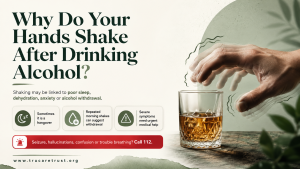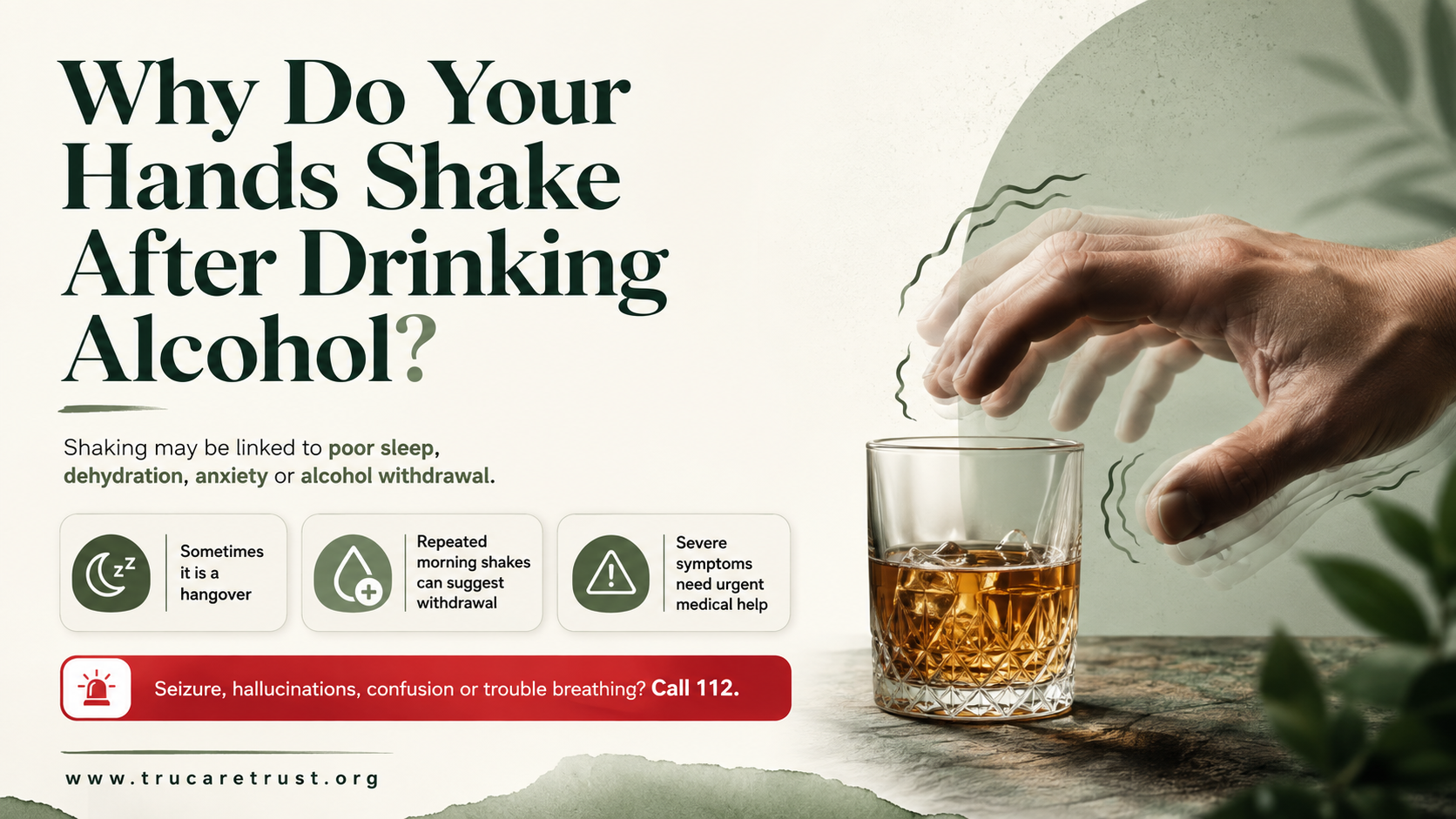
Shaking after drinking alcohol may come from a hangover, anxiety, poor sleep, missed food, medicine effects or alcohol withdrawal. Hands shaking after drinking does not prove addiction, yet the pattern deserves attention when it follows regular heavy use or appears with sweating, nausea, agitation, hallucinations or a seizure. A person considering a alcohol rehab centre in Mumbai should receive an individual assessment rather than using another drink to test whether the tremor improves. The amount consumed and time of the last drink should also be recorded.
Alcohol tremors may affect the hands, arms or whole body. Some people notice a fine movement while holding a cup or phone. Others feel internally shaky even when little movement is visible. Trembling after alcohol can begin as intoxication wears off, after waking or following an attempt to reduce drinking.
Why do hands shake after drinking? There is no single answer. Timing, drinking pattern, food, sleep, medicines, health conditions and other symptoms help a clinician separate temporary shakiness from withdrawal or another medical problem.
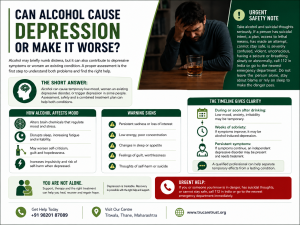
Urgent safety note: Call 112 in India or go to the nearest emergency department for a seizure or fit, severe confusion, hallucinations, collapse, inability to wake, slow or abnormal breathing, chest pain, a serious injury, very low blood sugar with altered consciousness, suicidal intent or violence that cannot be managed safely. If violence makes staying nearby unsafe, move to safety and contact emergency services. Do not force alcohol, food, fluids or medicine into a confused, seizing or unconscious person.
A tremor is a symptom, not a diagnosis
A tremor is an involuntary rhythmic movement. Hand tremors after alcohol may be fine and rapid or more obvious during action. The appearance alone cannot show whether the cause is a hangover, withdrawal, anxiety, low blood sugar, a medicine or a neurological condition.
Shaky hands after drinking may occur once after an unusually heavy night. A different pattern is repeated morning shaking that settles as the day continues or after further alcohol. Both patterns need an honest history, but the second raises more concern about physical dependence.
The informal phrase hangover shakes usually refers to shakiness during the hours after intoxication. Hangover shakes is not a clinical diagnosis and should not be used to dismiss severe or recurring symptoms.
Heavy drinking and tremors can be connected without every tremor being caused by alcohol. A new or persistent tremor also deserves medical assessment for other causes. Sudden one-sided weakness or numbness, facial drooping, new difficulty speaking, sudden loss of coordination or a sudden severe headache requires urgent medical assessment. In India, call 112 or go to the nearest emergency department rather than assuming the symptoms are caused by alcohol.
Several short-term effects can make the hands unsteady
Alcohol disrupts sleep. A person may fall asleep quickly but wake repeatedly, sweat, snore, feel thirsty or rise early. Sleep loss can make the normal small movements of the hands more noticeable and can increase anxiety after drinking alcohol.
Dehydration after drinking may add thirst, headache, dizziness and weakness, especially after vomiting or diarrhoea. Dehydration after drinking does not by itself explain every tremor. Excessive water taken quickly is not a treatment and can also cause harm.
Alcohol and low blood sugar require particular care in a person with diabetes, liver disease, poor food intake or glucose-lowering medicine. Shaking, sweating, hunger, confusion and weakness may overlap with withdrawal. Alcohol and low blood sugar cannot be distinguished safely by tremor alone.
Morning shakes after drinking may also be intensified by caffeine, nicotine, panic, pain or lack of food. Another alcoholic drink may temporarily change symptoms, but that response does not reliably identify the cause and may continue a harmful cycle.
Even a mild tremor can make driving, cooking, climbing, childcare and machinery use unsafe. The person may also remain tired, dizzy or unable to concentrate after the obvious intoxication has passed. Work and travel plans should be changed until coordination and judgement are reliable. A tremor that settles after rest still provides useful information if the same pattern returns after later drinking episodes.
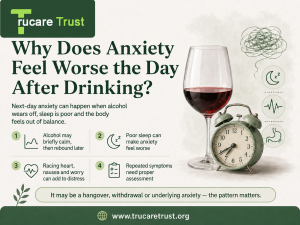
Anxiety after drinking alcohol can produce trembling, a racing heart, sweating and rapid breathing. Trucare Trust’s article on next-day anxiety after alcohol explains why a hangover, withdrawal and an underlying anxiety condition need different assessment.
Withdrawal becomes more likely when the pattern repeats
Physical dependence on alcohol means the body has adapted to regular exposure so that stopping or substantially reducing alcohol may produce withdrawal. It is not the same as alcohol use disorder, although both can occur together.
Alcohol withdrawal shaking often appears with other signs such as sweating, nausea, vomiting, anxiety, poor sleep, agitation, headache or a raised pulse. The NHS guidance on alcohol-use disorder warns that sudden stopping can be dangerous when a person is dependent and lists tremor among alcohol withdrawal symptoms.
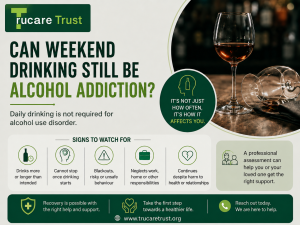
Physical dependence should also be distinguished from the broader features of alcohol use disorder. Signs that may suggest a wider alcohol problem include difficulty cutting down, craving, continuing to drink despite harm and needing increasing amounts for the same effect. A single morning of shaking cannot establish either physical dependence or alcohol use disorder.
The search phrase alcohol dependence symptoms is broad; questions about alcohol dependence symptoms should separate withdrawal and tolerance from impaired control and continued use despite harm.
Regular heavy use, a previous withdrawal seizure, earlier delirium, repeated detoxification, serious illness, pregnancy or use of sedative medicines can change risk. A person with these factors should not attempt abrupt cessation based on a generic online plan.
Trucare Trust’s overview of changes after stopping alcohol provides wider context. It does not replace an individual decision about whether stopping is safe.
| Observed pattern | What may contribute | Safer response |
|---|---|---|
| Fine shakiness after one heavy episode with thirst, headache and poor sleep | Hangover effects, fatigue, anxiety, missed food or dehydration | Avoid driving and risky work; arrange care if symptoms are severe, unusual or persistent |
| Repeated morning tremor with sweating, nausea, insomnia or a racing pulse after regular heavy use | Possible physical dependence and withdrawal | Seek prompt clinical assessment before stopping or sharply reducing alcohol |
| Shaking with hunger, weakness or confusion in a person with diabetes or poor intake | Possible low blood sugar or another metabolic problem | Follow the person’s established medical plan and seek urgent help for altered consciousness |
| Persistent tremor, numbness, weakness or balance difficulty outside drinking-related periods | Medicine effect, neurological illness, nutritional problem or nerve damage | Arrange medical examination rather than assuming a hangover |
| Seizure, hallucinations, severe confusion, collapse or abnormal breathing | Severe withdrawal, overdose or another emergency | Call 112 or go to the nearest emergency department |
Timing offers clues but cannot guarantee safety
An alcohol withdrawal timeline may begin within hours after the last drink, including while some alcohol remains in the body. Symptoms can change and do not follow the same schedule in every person. A normal appearance at bedtime does not guarantee a safe morning.
The NIAAA clinical overview of alcohol use disorder lists tremor, sweating, raised pulse and blood pressure, insomnia, anxiety, nausea, seizures and delirium among withdrawal features. It explains that some patients need intensive inpatient management while others may be suitable for outpatient care.
An alcohol withdrawal timeline from the internet cannot predict who will develop a seizure or delirium. The time of the last drink, pattern of use, previous withdrawal, medicines, health and current observations all matter.
Morning shakes after drinking are particularly concerning when they recur and are accompanied by relief drinking, sweating, nausea or inability to eat. Feeling better after alcohol does not by itself prove withdrawal because alcohol may temporarily alter some hangover symptoms too.
Severe symptoms are not ordinary “detox”
Delirium tremens is a severe form of alcohol withdrawal involving a disturbed mental state and nervous-system overactivity. Delirium tremens warning signs may include severe confusion, disorientation, marked agitation, hallucinations, fever or rapidly changing symptoms.
Delirium tremens warning signs require emergency medical care. A family should not wait for a residential appointment, attempt to calm the person with alcohol or assume sleep will correct the confusion.
Alcohol withdrawal seizure risk cannot be judged from the size of a tremor. A seizure may occur even when earlier symptoms seemed manageable. Previous withdrawal seizures, repeated withdrawal episodes and serious medical illness are important parts of the assessment.
If a seizure occurs, move nearby objects that could cause injury, cushion the head if possible and note the time. Do not restrain the person or put anything in the mouth. After the movements stop, place the person on their side when safe if they are unconscious but breathing normally. If breathing is not normal, follow the emergency operator’s CPR instructions.
Stay nearby after a seizure only when it is safe to do so. Watch breathing and responsiveness until help arrives, and tell the emergency team about alcohol, medicines, other substances, injury and any earlier seizures. Do not give food, drink or tablets until the person is fully awake and able to swallow safely. A confused or agitated person may need space while another relative calls for help.
Alcohol withdrawal seizure risk is one reason a person with regular heavy use should seek clinical advice before a major reduction. Call 112 for a seizure, even if it stops, and follow the operator’s directions.
Other health conditions and medicines need consideration
Medicines and alcohol tremors may overlap in several ways. A medicine can cause or worsen tremor, alcohol can alter medicine effects, and missed doses during a drinking episode can create symptoms. Sleeping tablets, anxiety medicines, antidepressants, stimulants and other prescriptions should be disclosed accurately.
Medicines and alcohol tremors should be reviewed by a doctor or pharmacist. Do not stop a prescribed medicine suddenly, borrow another person’s tablets or use unprescribed sedatives to control shaking.
Alcohol-related nerve damage is more often associated with numbness, burning pain, altered sensation, weakness or balance problems than with one isolated morning tremor. Alcohol-related nerve damage develops through a different process from acute withdrawal and needs medical assessment.
Heavy drinking and tremors may also coexist with thyroid disease, liver illness, infection, essential tremor, Parkinsonism, head injury or another neurological condition. A tremor that continues through longer alcohol-free periods, affects one side or worsens over time should not automatically be labelled withdrawal.
Hand tremors after alcohol accompanied by chest pain, fainting, severe weakness, difficulty speaking, facial droop or a sudden severe headache requires urgent assessment. The symptom may be unrelated to alcohol or alcohol may have exposed an existing condition.
Assessment should examine the whole pattern
A clinician will ask when shaking began, when the last drink occurred, how much and how often the person drinks, and whether the symptom has happened before. Honest information is safer than reducing the stated amount out of embarrassment.
The review may include pulse, blood pressure, temperature, hydration, alertness, orientation, balance and neurological signs. Depending on the situation, tests may assess glucose, electrolytes, liver health, nutrition, infection or another cause. Not every patient needs the same tests.
Alcohol withdrawal symptoms are interpreted alongside the examination rather than through a checklist alone. A clinician may also ask about fever, recent head injury, thyroid treatment, diabetes, caffeine, nicotine and changes in prescribed medicine. This broader review matters because several conditions can produce shaking and a rapid pulse. Treating every tremor as withdrawal may delay care for another illness, while dismissing repeated withdrawal-like episodes may miss a preventable emergency.
Shaky hands after drinking should be described precisely: visible or internal, constant or intermittent, at rest or during action, one-sided or both, and linked with sweating, nausea, hallucinations or weakness. Video taken with consent may help a clinician if the movement has stopped before the appointment.
Why do hands shake after drinking cannot be answered from quantity alone. Two people reporting similar drinking may differ in physical dependence, health, medicines and previous withdrawal. Screening for alcohol use disorder is useful, but screening does not diagnose the cause of a tremor.
Safe care is matched to assessed risk
When to seek help for alcohol withdrawal includes repeated tremor, sweating, nausea, insomnia, agitation, relief drinking, previous seizures or difficulty reducing alcohol. Prompt assessment is safer than waiting for symptoms to become severe.
A medically supervised alcohol detox is not simply rest in a room. It involves clinical assessment, a suitable care setting, monitoring, prescribed treatment when indicated and a route to emergency care. A medically supervised alcohol detox should also connect the person with continuing treatment for alcohol use disorder.
The ASAM alcohol-withdrawal guideline treats withdrawal management as one part of care rather than complete addiction treatment. The setting should match medical risk, psychiatric needs, support and the ability to monitor symptoms.
Treatment for alcohol withdrawal may occur in outpatient, residential or hospital care. Treatment for alcohol withdrawal is selected after assessment; a person at risk of severe complications may require hospital-level monitoring rather than a standard rehabilitation admission.
The plan should state who will review the person, how symptoms will be monitored, which changes require transfer and what follows stabilisation. It should also consider safe transport, time away from safety-sensitive duties and access to continuing care. A vague instruction to return only if the shaking becomes unbearable can leave the patient and family without a workable response to deterioration.
Trucare Trust’s article on the first 72 hours of treatment explains why observation and hospital-transfer decisions vary. Its overview of alcohol care from withdrawal to aftercare shows why stabilisation must lead into longer-term treatment.
What not to do when shaking begins
Do not use another drink as a test or home treatment. Temporary relief does not prove the cause, and repeated relief drinking can deepen physical dependence on alcohol. A clinician can plan safer withdrawal care when dependence is suspected.
Do not copy a taper schedule, sedative dose or detox medicine from another person. Withdrawal risk changes with age, health, pregnancy, other drugs, previous complications and the amount and pattern of alcohol use.
Do not drive, climb, operate machinery, cook over an open flame or perform safety-sensitive work while trembling after alcohol. Coordination and judgement may still be impaired even when the person no longer feels intoxicated.
Ordinary food and fluids may support recovery from missed meals or mild dehydration when the person is awake and can swallow safely. They do not treat severe withdrawal, a seizure, marked confusion or a medical emergency.
Families can observe without taking over clinical care
Family support during alcohol withdrawal begins with accurate observations. Note the last known drink, repeated vomiting, sweating, sleep, confusion, hallucinations, falls, medicines and earlier seizures. Exact events are more useful than labels such as “bad detox”.
Family support during alcohol withdrawal does not mean supplying alcohol, secretly giving medicine or physically restraining an agitated adult. Relatives can arrange transport, bring prescriptions and medical records, and contact emergency services when risk is high.
If the person is violent or the environment is unsafe, relatives should move to safety and call 112. Staying close is appropriate only when it is safe. Children and vulnerable family members should not be placed in charge of monitoring an unwell adult.
Trucare Trust’s page on alcohol assessment and rehabilitation support outlines broader care options. The right starting point still depends on current clinical risk and whether hospital care is required.
Questions people frequently ask
Does one episode of shaking mean alcohol dependence?
No. Trembling after alcohol can follow a hangover, anxiety, poor sleep, missed food, medicine effects or another illness. Concern rises when it repeats after regular heavy use and appears with sweating, nausea, insomnia, agitation or relief drinking. Clinical assessment is safer than judging dependence from one symptom.
Can dehydration alone cause the hands to shake?
Fluid loss may contribute to weakness, dizziness and feeling unwell, especially after vomiting or diarrhoea. It should not be assumed to explain marked tremor. Withdrawal, low blood sugar, medicines and neurological conditions may produce overlapping symptoms and require different care.
Is it safe to stop drinking immediately when tremor appears?
Not without assessment when regular heavy use or withdrawal is possible. Alcohol withdrawal shaking may worsen after a sharp reduction, and severe withdrawal can involve seizures or delirium. Seek prompt clinical advice rather than following a home timetable.
Can coffee stop the shaking?
Coffee does not speed alcohol clearance or treat withdrawal. Caffeine may increase tremor, anxiety or a racing heartbeat in some people. It should not delay assessment when shaking is repeated, severe or accompanied by other withdrawal features.
When does a tremor require emergency care?
Call 112 for a seizure, severe confusion, hallucinations, collapse, inability to wake, abnormal breathing, chest pain or a serious injury. When to seek help for alcohol withdrawal also includes prompt non-emergency assessment for repeated shaking, sweating, vomiting, insomnia or previous severe withdrawal.
Will every person with withdrawal need hospital admission?
No. Some lower-risk patients may receive planned outpatient care, while others need residential or hospital management. The setting depends on current symptoms, previous seizures or delirium, physical and mental health, pregnancy, other substances and available support.
What happens after the shaking settles?
Settling tremor does not complete treatment. The person may still need assessment for alcohol use disorder, medical problems, nutrition, mood, sleep and relapse risk. Withdrawal care should lead into an individual plan that addresses the wider drinking pattern.
Use the pattern to choose the next safe action
Shaking after drinking alcohol is a signal to review timing, severity and the wider drinking pattern. It may reflect short-term hangover effects, but repeated alcohol tremors with sweating, nausea, insomnia or agitation raise concern about withdrawal.
Hands shaking after drinking should not be tested with more alcohol or treated through borrowed medicine. Record what happened, check for emergency signs and seek assessment before a major reduction when dependence is possible.
New, persistent or unusual tremor also deserves medical review for causes beyond alcohol. The safest plan deals with the immediate symptom, the risk of withdrawal and the longer-term pattern rather than assuming that all shaking has one explanation.
Medical disclaimer: This article provides general educational information and does not replace individual medical assessment, diagnosis or treatment. A person with regular heavy alcohol use, previous withdrawal seizures or delirium, pregnancy, serious illness, mixed-substance use or significant mental-health symptoms should receive appropriate clinical assessment before stopping or substantially reducing alcohol. Call 112 in India or go to the nearest emergency department for a seizure or fit, severe confusion, hallucinations, collapse, inability to wake, slow or abnormal breathing, chest pain, serious injury, suicidal intent or violence that cannot be managed safely.