Night sweats after drinking alcohol may occur because alcohol affects blood vessels, sleep, fluid balance and the nervous system. A warm room or hangover may explain a single mild episode, but repeated soaking sweats should not automatically be blamed on alcohol. Sweating with tremor, agitation, hallucinations, a seizure, confusion or a racing heart may signal withdrawal and needs prompt care. Other medical causes are also possible. A rehabiltiation centre in Mumbai can assess the drinking pattern, while severe symptoms may require an emergency department.
Urgent safety note: Call 112 in India or go to the nearest emergency department if sweating occurs with a seizure, hallucinations, severe agitation, severe confusion, collapse, chest pain, serious breathlessness, inability to wake or slow or abnormal breathing. Do the same for sudden one-sided weakness or numbness, facial drooping, new speech difficulty, sudden loss of coordination or a sudden severe headache. If a person is unconscious but breathing normally, place them on their side while help is coming. If they are not breathing normally, begin CPR if trained and follow the emergency operator’s instructions.
What counts as a true night sweat?
Feeling warm under a heavy blanket is not the same as a medical night sweat. Night sweating usually means enough perspiration to dampen sleepwear or bedding even though the room is reasonably cool. The amount varies, and a single episode does not identify a cause. Sweating at night after drinking may be mild and brief, or it may repeatedly wake the person and require a change of clothes.
Waking up sweating after alcohol is also different from sweating during exercise, hot weather or a fever. Useful details include when the sweating began, whether the sheets were soaked, how much alcohol was consumed, when the last drink occurred and whether tremor, nausea, diarrhoea, pain, cough, fever, weight loss or palpitations were present.
Repeated sweating at night after drinking should be recorded even when daytime symptoms are absent.
The question “why does alcohol make you sweat” has more than one possible answer. Alcohol can widen skin blood vessels and create a feeling of warmth, disturb sleep, contribute to fluid loss and affect the body’s automatic stress responses. Sweating may also occur during a hangover or as alcohol levels fall. In someone with physical dependence, it can be part of withdrawal.
People asking why does alcohol make you sweat should therefore consider timing, drinking frequency and other symptoms, not just the sweating itself.
How drinking can change heat and sweating
Warm skin does not always mean a warmer core
Alcohol can widen blood vessels near the skin. This may make the face or body feel warm and appear flushed, even while heat is being lost from the body. Alcohol and body temperature therefore have a less straightforward relationship than the warm sensation suggests. Drinking should never be used to keep warm in cold conditions.
Changes involving alcohol and body temperature can feel uncomfortable, but sensation alone cannot show whether the person has a fever or dangerously low temperature.
The body normally adjusts sweating and blood flow to control temperature. Alcohol may disrupt those signals, and a crowded room, thick bedding, spicy food or hot weather can add to the effect. This is one reason sweating after drinking alcohol may occur without a dangerous condition. It does not explain every episode, especially when sweating is drenching, recurrent or accompanied by other symptoms.
Fluid balance and hangover effects
Alcohol can increase urine production. Vomiting, diarrhoea, sweating and poor fluid intake may add to fluid loss. Alcohol and dehydration may then contribute to thirst, weakness, headache, dizziness or a faster pulse. However, sweating alone cannot confirm dehydration, and excessive water is not a safe treatment for every person.
Hangover sweating may appear with tiredness, headache, nausea, stomach discomfort, anxiety and poor concentration. The US National Institute on Alcohol Abuse and Alcoholism includes sweating among possible hangover symptoms. A hangover is not the same as withdrawal, although the experiences can overlap and may be difficult to distinguish without a drinking history.
There is no instant hangover cure. Coffee, cold showers and exercise do not remove alcohol from the body faster. If fully awake and not vomiting, taking ordinary fluids and food as tolerated may help comfort. Do not force fluids into a drowsy person, and do not use sleeping tablets, sedatives or more alcohol to manage symptoms.
Sleep disruption and stress responses
Alcohol may shorten the time it takes to fall asleep but can fragment sleep later in the night. As its sedating effect wears off, alertness and stress activity may increase. This can contribute to sweating when alcohol wears off, vivid dreams, restlessness and repeated waking. Snoring or breathing pauses also need attention because alcohol can worsen sleep-related breathing problems in some people.
Night sweats and anxiety may occur together. Fear can activate sweating, while waking drenched can itself cause panic. The link does not prove that anxiety is the cause. Chest pain, fainting, serious breathlessness, an irregular heartbeat or neurological warning signs must not be dismissed as panic.
Hangover, withdrawal or another cause?
Timing is helpful but not conclusive. Hangover symptoms generally follow a drinking episode as the blood alcohol concentration returns towards zero. Alcohol withdrawal symptoms are more likely when a person who has been drinking heavily and regularly suddenly reduces or stops. Both can involve poor sleep, nausea, anxiety, sweating and a fast heartbeat.
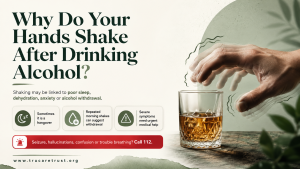
Alcohol withdrawal sweating often appears with tremor, restlessness, raised pulse, nausea or difficulty sleeping. Symptoms may become more severe and can progress to hallucinations, seizures or delirium. Sweating after stopping alcohol is therefore important when it follows prolonged heavy use, especially if the person has previously experienced severe withdrawal.
Physical dependence on alcohol means the body has adapted so that reducing or stopping alcohol may produce withdrawal. Physical dependence is not identical to alcohol use disorder, although both can occur together.
The search phrase alcohol dependence symptoms is often used broadly. Withdrawal and tolerance can reflect physiological adaptation, while craving, impaired control, repeated unsuccessful attempts to cut down and continued drinking despite harm are broader features considered when assessing alcohol use disorder. Sweating alone cannot diagnose either condition.
Possible physical dependence on alcohol requires medical planning because withdrawal risk may change after a reduction.
A safe alcohol detox is not a fixed home recipe. Clinical planning considers the amount and duration of drinking, time since the last drink, previous seizures or delirium, other substances, medicines, pregnancy, physical illness, mental health and available support. Anyone at possible withdrawal risk should seek medical advice before suddenly stopping.
Patterns and the safer response
| Pattern | Possible considerations | Safer response |
|---|---|---|
| One mild episode in a hot room with no other symptoms | Room temperature, bedding, food, alcohol-related warmth or a hangover may contribute | Cool the room, stop drinking and monitor; seek advice if it repeats |
| Drenching sweats that regularly wake the person | Alcohol, medicines, hormonal changes, infection or another condition may need assessment | Arrange a medical appointment and record associated symptoms |
| Sweating with tremor, agitation or a racing heart after reducing regular heavy drinking | Withdrawal may be developing | Obtain urgent medical advice; do not attempt detox alone |
| Sweating with seizure, hallucinations, severe confusion, collapse or abnormal breathing | Severe withdrawal, overdose or another emergency is possible | Call 112 in India or go to the nearest emergency department |
This table cannot diagnose the cause. Excessive sweating after drinking may be alcohol-related, but it can also reveal an unrelated illness. The pattern over time and associated symptoms are more useful than the amount of sweat alone.
When regular heavy drinking makes withdrawal a concern
Heavy drinking and sweating can be connected while alcohol is being consumed, during a hangover or during withdrawal. A person may not know that dependence has developed until a drink is delayed or reduced. Morning tremor, sweating, nausea, anxiety or a rapid heartbeat that improves after alcohol is a warning pattern, not a reason to self-medicate with another drink.
Binge drinking and night sweats do not by themselves prove dependence. A person may binge occasionally without withdrawal, while another may drink less visibly but have a regular pattern and physiological adaptation. Assessment should examine frequency, quantity, loss of control, tolerance, withdrawal, harm and previous attempts to change.
Withdrawal severity cannot be predicted from one symptom. Past withdrawal seizures or delirium increase concern, as do serious medical conditions, pregnancy, older age and combined use of alcohol with sedatives. Treatment for alcohol withdrawal may require monitoring, medicines prescribed by a qualified clinician and transfer to hospital when complications develop.
During the first days of supervised addiction treatment, staff may review recent use, vital signs, mental state, medicines and previous withdrawal. The correct setting depends on clinical risk; not every rehabilitation facility can safely manage severe withdrawal or a medical emergency.
Other medical reasons for sweating at night
Alcohol is only one possible explanation. Common contributors include a warm sleep environment, menopause or perimenopause, anxiety, medicines and infections. Thyroid disease, sleep apnoea and problems affecting blood glucose may also be considered. Persistent night sweats deserve an assessment rather than repeated assumptions about alcohol.
Fever, infection and unexplained weight loss
Night sweats and fever may occur with an infection. Medical review is important when sweating accompanies a high temperature, chills, an ongoing cough, diarrhoea, swollen glands or unexplained weight loss. The NHS guidance on night sweats advises seeking medical attention when episodes regularly wake or worry a person, or occur with fever, cough, diarrhoea or weight loss.
Night sweats and fever should not be covered up with repeated alcohol use or leftover antibiotics. A clinician needs to assess the person and decide whether tests are required. Severe weakness, confusion, breathing difficulty or collapse requires urgent care.
Medicines, hormones and blood glucose
Several prescribed products are among medicines that cause night sweats in some people. Antidepressants, hormone-related treatments and medicines that alter blood glucose may be relevant, but the list is broader. Alcohol may also interact with medicines or worsen drowsiness. Do not stop a prescribed medicine suddenly; bring the strips or a complete list to the appointment.
A clinician can review medicines that cause night sweats without assuming that every listed product is responsible.
Low blood sugar and sweating may occur in a person using insulin or certain diabetes medicines, particularly when alcohol replaces food or is consumed without enough carbohydrate. Symptoms can include shaking, hunger, weakness, confusion or unusual behaviour. Follow the person’s established diabetes emergency plan and seek urgent help for severe confusion, seizure or inability to swallow safely.
Menopause and perimenopause can cause hot flushes and night sweating. Thyroid and other hormonal conditions may also be considered. This is why waking up sweating after alcohol should be assessed in context rather than attributed to one trigger based only on timing.
When to seek medical assessment
Knowing when to see a doctor for night sweats depends on repetition and associated symptoms. Arrange an appointment when drenching episodes regularly wake the person, persist despite a cooler room, have no clear explanation or are accompanied by fever, cough, diarrhoea, swollen glands or unplanned weight loss. A sudden major change in sweating also deserves review.
Seek earlier advice when sweating follows a reduction in frequent heavy drinking, particularly with tremor, agitation, nausea, insomnia or a fast pulse. Alcohol withdrawal symptoms can worsen, and waiting for a seizure is unsafe. If severe symptoms are already present, use emergency care rather than a routine appointment.
Excessive sweating after drinking also needs review when it is accompanied by fainting, repeated vomiting, an irregular heartbeat or symptoms of low blood glucose. The clinician may need to examine heart, endocrine, infectious, sleep-related and medicine causes as well as alcohol use.
What a clinician may ask and check
A clear timeline helps. Record drinking days, approximate amounts, time of the last drink, when sweating began and whether it occurs on alcohol-free nights. Note tremor, nausea, heart symptoms, fever, cough, weight change, snoring, breathing pauses and medicine changes. The aim is accurate care, not judgement.
The assessment may include temperature, pulse, blood pressure, oxygen level and a physical examination. Depending on the history, tests may check blood count, glucose, thyroid, liver or kidney function and electrolytes. No single blood test proves that alcohol caused the sweating.
Clinicians may also ask about alcohol dependence symptoms and the impact of drinking on health, responsibilities and relationships. A broader evaluation can help decide whether brief advice, outpatient support, medically managed withdrawal or residential care is appropriate. The stages from assessment to continuing support are explained in this guide to alcohol treatment and aftercare.
What to do during a mild episode
Do not use more alcohol as a treatment for the sweating. Move to a comfortably cool, ventilated place, replace wet clothing or bedding and rest. If the person drinks heavily or regularly and physical dependence may be present, seek prompt medical advice before making a major reduction rather than attempting to manage possible withdrawal alone. If the person is fully awake, not vomiting and has no medical fluid restriction, small amounts of ordinary fluid may be reasonable. Alcohol and dehydration can contribute to discomfort, but rapidly drinking excessive water or electrolyte products can also be harmful.
Avoid strenuous exercise, very hot showers, saunas, caffeine, energy drinks and recreational stimulants. Do not take someone else’s sedative, heart medicine or diabetes medicine. Check temperature if a thermometer is available and note other symptoms. These comfort steps apply only to mild, stable symptoms and must not delay assessment.
Hangover sweating should gradually improve as the person recovers, but a fixed time limit cannot confirm safety. If symptoms intensify, new confusion develops, the person cannot keep fluids down or sweating occurs with a seizure, hallucinations, collapse or abnormal breathing, seek emergency help.
Reducing repeat episodes safely
If alcohol and night sweats repeatedly occur together, avoid using another drinking session as a test. A diary of alcohol, sleep, room temperature, medicines and symptoms may reveal a pattern for the clinician. Review the wider drinking behaviour as well as the sweat itself.
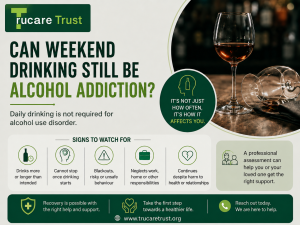
The article on weekend drinking patterns explains why risk is not defined only by drinking every day. Repeated binges, blackouts, injuries, relationship harm or difficulty stopping once started may all matter. Binge drinking and night sweats may be one part of that wider picture.
If dependence is possible, sweating after stopping alcohol is a reason to obtain clinical guidance. A safe alcohol detox may take place in an outpatient, residential or hospital setting depending on risk. It should include a plan for escalation and follow-up, not just getting through the first few days.
Longer-term care may address sleep, anxiety, triggers, coping skills, family communication and relapse prevention. An alcohol rehabilitation programme should explain its medical scope and arrange hospital transfer when needed. Treatment for alcohol withdrawal is only one stage; continuing support helps address the pattern that led to it.
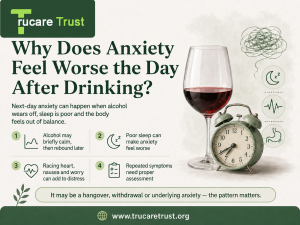
Families can help by remaining calm, observing breathing and mental state, recording symptoms and arranging qualified care. They should not shame the person, secretly add medicine to food or attempt a home taper. Guidance on anxiety after alcohol may help explain overlapping symptoms, but it cannot rule out withdrawal, infection or another medical cause.
Frequently asked questions
1. Are night sweats after alcohol normal?
A mild one-off episode can occur because of warmth, disrupted sleep or hangover effects. Night sweats after drinking alcohol are not something to ignore when they soak bedding, recur regularly or appear with tremor, fever, weight loss, cough or heart symptoms. Withdrawal and unrelated medical conditions may need to be considered.
2. Why does sweating happen as alcohol wears off?
Sweating when alcohol wears off may reflect changing nervous-system activity, poor sleep, anxiety or a hangover. In someone who drinks heavily and regularly, it may be an early withdrawal sign. Alcohol withdrawal sweating with tremor, agitation, a racing heart or hallucinations needs prompt medical assessment rather than another drink.
3. Can dehydration cause night sweating?
Fluid loss can contribute to thirst, headache, dizziness and a faster pulse, but alcohol and dehydration do not explain every sweat. Sweating itself may worsen fluid loss. Persistent or severe symptoms should not be managed only with water or sports drinks, especially when the person is vomiting, confused or has heart or kidney disease.
4. How can a hangover be distinguished from withdrawal?
Hangover sweating follows a drinking episode and may occur with headache, thirst and nausea. Withdrawal is more concerning after frequent heavy use is suddenly reduced and may involve tremor, agitation, insomnia and a raised pulse. The overlap can be substantial, so the drinking history and clinical assessment are important.
5. Can anxiety cause sweating during the night?
Yes. Night sweats and anxiety can occur together because stress activates the body’s automatic responses. Alcohol-related sleep disruption may add to the problem. However, anxiety should not be assumed when sweating is drenching or persistent, or when it occurs with fever, weight loss, chest pain, fainting, breathing difficulty or withdrawal signs.
6. Could diabetes medicine be involved?
Yes. Low blood sugar and sweating can occur with insulin or some diabetes medicines, and alcohol may increase risk in certain situations. Follow the person’s established diabetes plan. Severe confusion, a seizure, collapse or inability to swallow safely requires emergency help. Medicine doses should not be changed without clinical advice.
7. How long should the sweating continue?
There is no reliable duration that proves safety. Mild sweating after drinking alcohol may settle as a hangover improves, but recurrent or persistent night sweats should be assessed. Knowing when to see a doctor for night sweats also depends on associated fever, cough, weight loss, tremor, agitation, palpitations and changes in alcohol use.
The main message
Alcohol and night sweats can be connected through skin blood flow, disrupted sleep, hangover effects, fluid loss or nervous-system changes. Heavy drinking and sweating may also point to withdrawal when alcohol is reduced. The symptom should be interpreted through timing, drinking pattern and other signs rather than used for self-diagnosis.
Persistent night sweats, unexplained weight loss, fever or an ongoing cough need medical review. Sweating with seizures, hallucinations, severe confusion, collapse, chest pain or abnormal breathing requires emergency care. With recurrent symptoms, assessment can address both medical causes and the alcohol pattern safely and without blame.
Medical disclaimer: This article provides general health information and is not a diagnosis or a substitute for care from a qualified doctor. Do not use it to start, stop or change medicines or to plan an unsupervised detox. In an emergency in India, call 112 or go to the nearest emergency department.