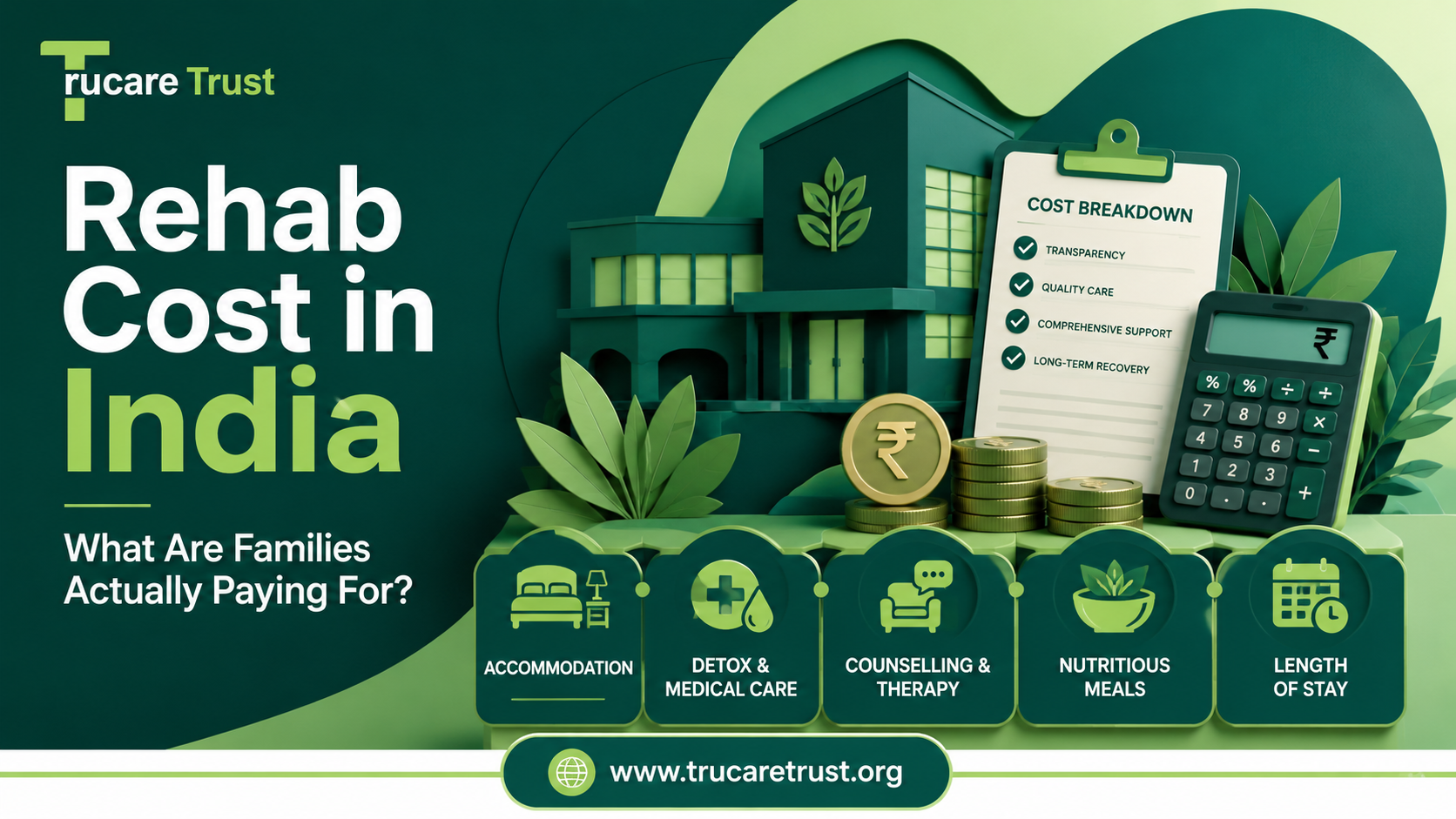
Rehab cost in India can vary because a family pays for more than a bed and food. The fee may cover a health check, safe withdrawal care, doctor visits, prescribed drugs, counselling, nursing, meals and a plan for care after discharge. The final bill depends on the substance used, the person’s health, the length of stay, the room and the need for close medical support. Before admission, ask for a written quote that lists what is covered, what costs extra, when a refund applies and how an urgent hospital transfer will be billed. This makes a fair comparison much easier.
There is no fixed rate for all centres or all patients. Rehabilitation centre fees can vary even within the same city. Two places may quote the same price but offer very different care. One may have doctors and nurses on site. The other may offer a room, group talks and basic support. Price alone does not show which option is safe or right.
What are the indicative monthly price ranges?
The figures below are broad Indian planning ranges as of July 2026. They are not government-approved tariffs or Trucare Trust quotations. Published prices differ sharply between cities and centres, while many providers give a final figure only after learning about the person’s health and accommodation needs.
| Type of care | Indicative price | What the figure may mean |
|---|---|---|
| Government, charitable or subsidised care | Free to about ₹5,000 | Services may be free or offered for a small charge. Eligibility, waiting time, medicines and residential availability differ by centre. |
| Basic low-cost residential programme | About ₹5,000 to ₹50,000 per month | Often uses dormitory accommodation and a larger number of residents. The level of medical and counselling support must be checked carefully. |
| Structured shared or dormitory rehabilitation | Usually from about ₹35,000 to ₹75,000 per month | A practical starting band for private centres offering reasonable facilities, meals, routine counselling and resident support. Medical inclusions still vary. |
| Triple-sharing or twin-sharing programme | About ₹50,000 to ₹1.2 lakh per month | Fewer people per room, greater privacy and, in some centres, more individual sessions or clinical input. |
| Private-room rehabilitation | About ₹1.5 lakh to ₹2.5 lakh per month | May include a single room, greater privacy, a lower patient-to-staff ratio and more individual care. Each inclusion should appear in writing. |
| Premium or luxury programme | From about ₹2.5 lakh; some exceed ₹5 lakh per month | Higher-end accommodation and added wellness services can raise the price. Comfort does not by itself prove better addiction treatment. |
| Detox-only care | About ₹5,000 to ₹50,000 for a short programme | The cost depends on the substance, withdrawal risk, medical supervision, medicines, tests and whether hospital care is needed. |
These bands overlap because centres package their services differently. The number of residents, dormitory size, triple or twin sharing, a private room, staffing, medical cover and length of stay can all change the quote. In practical terms, a family seeking a private centre with structured care and reasonable facilities may find shared or dormitory programmes beginning at about ₹35,000 per month. That price is only a starting point; it is not a mark of quality.
Medical tests, prescribed medicines, an ambulance, specialist consultations or hospital admission may sit outside the package. A person with severe withdrawal or another illness can therefore have a much higher total even when the room rate is unchanged.
Why does the price vary so much?
“Rehab” is a broad term. It can mean a live-in care home, a nursing centre, a clinic or a high-end private unit. Some places treat only stable patients. Some can care for people who need a doctor, nurse or mental health expert at short notice. Staff and safety needs change the fee.
The type of addiction matters too. Alcohol, opioids, sleeping pills and stimulants do not cause the same health risks. A person who uses more than one substance may need added tests and close watch. Gambling or gaming problems do not need detox in most cases. They may still need skilled mental health care and a clear daily plan.
A 30-day rehab cost shown online may be only the base price for a shared room. Tests, medicines, specialist visits or hospital care may be extra. The useful comparison is therefore the likely final bill after assessment, not the advertised room rate.
What should the core fee pay for?
Good care needs a clear plan, trained staff and safe day-to-day support. The WHO and UNODC standards for treatment set out sound and fair care across a range of settings. A centre should be able to link each major part of its fee to real care.
A full check at the start
Staff first need to learn what the person uses. They should ask how much is used, how often and when it was last used. They should also ask about past withdrawal, seizures, overdose, poor sleep and prescribed pills. Mood, self-harm risk and long-term health problems must form part of the check.
The right staff member depends on the case. A doctor, nurse, mental health expert or counsellor may take part. Tests should be done when there is a sound health reason. The results help staff decide how much care and watch the person needs.
The quote should show whether this first check forms part of the rehab package in India and whether blood tests, scans or outside doctor visits are charged separately.
Safe care during withdrawal
Detox is the time when alcohol or drugs leave the body. Staff watch for signs of withdrawal and treat them when needed. Detox is not needed in every case. It is also not the same as full rehab.
Some people have mild signs and need basic watch. Others can become very ill. Past seizures, severe confusion, liver disease or poor food intake can raise the risk. The use of opioids, sedatives or more than one drug may change the plan as well.
This is one reason alcohol rehab cost can vary. Drug rehab cost can also rise when close watch, tests or more doctor time are needed. The added fee should have a clear link to the care plan.
Families can read about Trucare Trust’s alcohol care programme while they review the care and fees in a written quote.
A website cannot tell if withdrawal at home is safe. That call needs a trained doctor. If the person has a seizure, severe confusion, sees or hears things, cannot breathe, faints or may self-harm, call 112 or go to the nearest emergency department.
Staff time through the day and night
The room is easy to see. Staff work is less visible, yet it is a key part of the fee. A live-in centre may need doctors, nurses, mental health experts, counsellors and care staff. It also needs people to run meals, cleaning and site safety.
Private centres use many staff models. Before comparing their fees, families need to know who remains on site, who is available on call and how often each patient meets a doctor or counsellor.
Counselling and skills for life after rehab
Once the body is stable, the work shifts. The person needs to learn what keeps the harmful pattern going. Care may include one-to-one talks, group work and sessions with close relatives. It may also teach ways to deal with stress, urges, anger, poor sleep and social pressure.
This work is why de-addiction treatment cost cannot be judged by the detox days alone. Detox deals with the short-term health risk. Rehab deals with habits, thoughts, ties at home and the risk of return to use. Both parts have value, but they do different jobs.
Families who have not seen live-in care before can read what happens during an inpatient stay before they compare quotes.
Room, meals and daily needs
Residential rehab charges often cover a bed, meals, cleaning, power and a planned routine. Laundry, exercise and simple group tasks may form part of the stay. These things support care. They do not replace care from trained staff.
The room category should be named in the quote. Laundry, a special diet, toiletries, an aide and small personal expenses may be separate, and can add up during a long stay.
Help for the home and a plan to leave
Addiction affects those at home. Family talks can set fair limits and reduce blame or conflict. Such talks should respect the adult patient’s choice, privacy and rights. A centre should not ask relatives to use threats or force as part of care.
The plan for home should start before the last day. It may cover doctor visits, counselling, peer groups and ways to handle urges. The written terms should state how much follow-up is included in the inpatient rehab fees and when later charges begin.
Which points have the greatest effect on the bill?
The main price drivers should be visible in the quote:
| Point | Why it may change the fee | What to ask |
|---|---|---|
| Level of care | More doctor and nurse time costs more. | What level of watch does the person need? |
| Length of stay | The room, meals and staff care run each day. | Is the fee daily, weekly or fixed? |
| Room type | A private room tends to cost more. | What is the shared room rate? |
| Tests and drugs | The need is not the same for each patient. | Are they covered, capped or billed at cost? |
| Hospital care | A rehab may need to send a sick person out. | Who pays for travel and hospital care? |
One person’s alcohol rehab cost may therefore differ from another’s at the same centre. Drug rehab cost also changes with health, past withdrawal, the substances used and the level of supervision required.
How can two quotes be compared fairly?
Work out the full likely cost for the advised stay rather than comparing the daily rate. One centre may combine most care in one package, while another adds each service to a low base price.
Sort each quote into five parts:
- First check, tests and doctor visits.
- Detox and health care.
- Counselling, group work and family talks.
- Room, food and daily support.
- Care after the person leaves.
Each part should link to a person, task or service. The number of one-to-one sessions, night-time medical arrangements, extra-day rate, hospital-transfer charges and early-exit terms deserve particular attention. Vague promises of “full care” or “total recovery” do not explain rehabilitation centre fees. This guide for families choosing a rehab centre covers further checks. Refund terms should be in writing before a deposit is paid.
Which costs may sit outside the main quote?
The shown amount may not be the full addiction treatment cost, even when a plan is described as “all inclusive”. These additions can raise residential rehab charges substantially. Common extras include:
Costs that may sit outside the main fee include:
- blood tests, scans and other tests.
- prescribed drugs and food supplements.
- visits by an outside doctor or expert.
- an ambulance and urgent hospital care.
- care for a new or unrelated illness.
- dental work.
- a private nurse or aide.
- a special diet.
- toiletries and other personal items.
- travel to and from the centre.
- damage or key deposits.
- added reports or talks with relatives.
- care after the person leaves.
An extra fee is not unfair by itself, but it should be disclosed in advance and shown on a bill. Any cap on drugs, tests or doctor visits—and the rate after that cap is reached—should be written into the rehab package in India.
Does a short stay always save money?
A longer stay usually raises the total, even when a longer package has a lower daily rate. A 30-day rehab cost is poor value if the person leaves before vital work is complete and soon needs treatment again. Extra weeks are equally hard to justify when they are not supported by clinical need.
Planned review dates allow staff to explain progress, remaining risks, the reason for more time and the revised total. Some patients can later move from residential care to day care or local follow-up, but safety and individual need must guide that step.
Does health insurance cover rehab or addiction treatment in India?
Most families should plan for residential rehab as an out-of-pocket cost unless the insurer confirms cover in writing. Many ordinary health policies pay only for eligible hospitalisation. A residential rehabilitation centre may not meet the policy definition of a hospital or network provider, and accommodation, long-term counselling, non-medical residential care or wellness services may not qualify. Cashless approval is therefore uncommon in many rehab settings.
This does not mean that every addiction-related claim is automatically excluded. Section 21(4) of the Mental Healthcare Act, 2017 requires insurers to provide for treatment of mental illness on the same basis as physical illness. IRDAI has also issued directions on mental-illness cover and currently publishes a Master Circular on Health Insurance Business. Actual payment still depends on the current policy wording, diagnosis, waiting periods, medical necessity, treatment setting, provider eligibility, limits, exclusions and pre-authorisation rules.
The safest budget assumption is that insurance will not pay unless written approval says otherwise. The care plan, diagnosis and itemised estimate should go to the insurer or third-party administrator before admission where time permits. Its reply should confirm whether inpatient psychiatric or de-addiction treatment is covered, whether the named centre is eligible, what papers are required, which limits apply and whether the claim will be cashless or reimbursed. Bills, receipts, test reports, prescriptions and the discharge summary should all be retained.
India also has public and grant-backed care. The Ministry of Social Justice and Empowerment gives details of the National Action Plan for Drug Demand Reduction. The plan supports work such as finding people in need, counselling, treatment and rehab through eligible groups.
Availability and waiting times differ by place. Public or supported care may reduce the de-addiction treatment cost, but staffing, medical safety, consent and follow-up still need attention.
Which fee practices should cause concern?
The way a centre talks about money can show how it works. Take care if:
- a final price is given before any health or drug-use questions.
- the centre sells a cure or a sure result.
- staff cannot say who gives medical and mental health care.
- there is strong pressure to pay a large sum at once.
- the quote has broad labels but no list of what they mean.
- a rich-looking room is presented as proof of good care.
- the advised stay changes only with the amount a family can pay.
- the centre will not give bills or written terms.
Low-cost care is not always poor. High-cost care is not always good. Safe work, trained staff and clear terms matter at each price level.
What should be asked before any payment?
Stress can make key points easy to miss, so a written list helps:
- What health check is needed before the final quote?
- How many days or weeks does the quote cover?
- Which room and meals form part of the fee?
- Which doctor, nurse and counsellor visits are covered?
- How much one-to-one and group work is planned?
- Are tests and prescribed drugs part of the fee?
- Who pays if urgent hospital care is needed?
- How will extra days or an early exit be billed?
- What sum can be paid back, and when?
- What care is covered after the stay?
- Will each payment have a bill and receipt?
- Who reviews progress and any need for more time?
These answers make inpatient rehab fees much easier to compare. They also show if the centre has thought through the patient’s care or is selling a loose package.
What does good value look like?
Good value means knowing what the money buys. Rehab cost in India becomes easier to judge when every major fee links to accommodation, staff time, safe care or help after discharge. The final choice should pass three tests: the setting is safe for the person, the care plan is clear and the full likely bill is in writing.
Frequently asked questions
How much does a rehab centre charge in India?
Public or supported care may be free or cost a small amount. Private shared programmes often begin near ₹35,000 per month, while private rooms may cost about ₹1.5 lakh to ₹2.5 lakh. These are broad July 2026 planning figures, not fixed tariffs. The final quote should follow an assessment.
Why can two centres quote very different prices?
Rooms, staff and care plans differ. One price may include tests and medicines, while another adds them later. The full likely bill and the care behind it matter more than the daily rate.
Is detox part of the main fee?
Detox may be included, partly covered or billed separately. The quote should identify charges for assessment, supervision, doctor visits, tests, medicines, an ambulance and hospital care.
Does a private room mean better care?
A private room offers space and privacy, but does not prove that the clinical care is better. Staffing, assessment, therapy and crisis arrangements remain more important than room comfort.
Can a person pay for detox and skip the rest of rehab?
Detox and rehab do different jobs. Detox helps manage withdrawal and short-term health risk. It does not deal fully with urges, habits, stress, mood or the risk of return to use. The next stage should be based on a trained health check, not price alone.
Does health insurance usually pay for residential rehab?
Often it does not, so families should budget on that basis until written approval is received. Cover depends on the policy, diagnosis, medical need, provider status and authorisation rules. The insurer or TPA should confirm the named centre and proposed treatment in writing.
What if the centre asks for a longer stay?
Staff should review progress, remaining risks and the need for continued residential care. The revised total and discharge plan should be clear. Patient needs and consent—not fear or sales pressure—must guide the decision.